
 Kairaku-en
「Kanto」カテゴリーアーカイブ
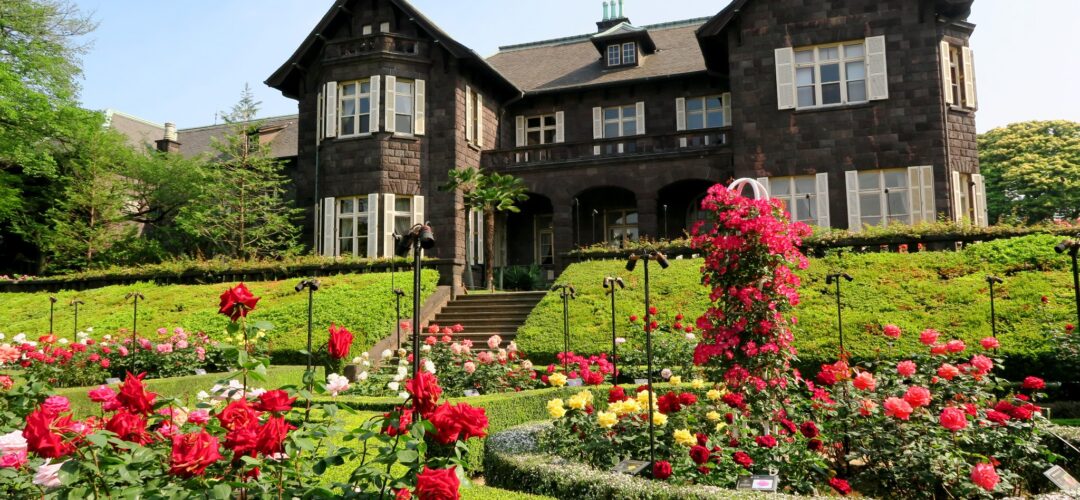
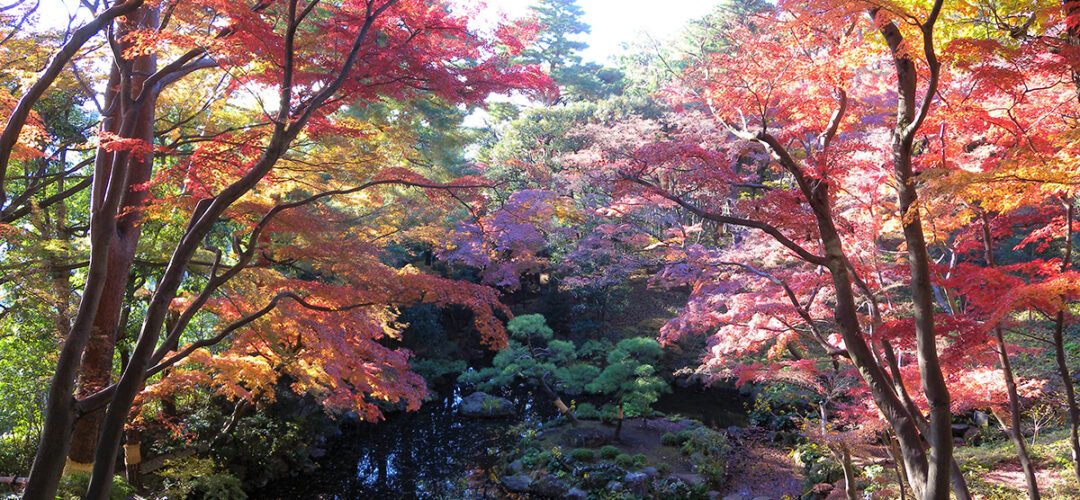
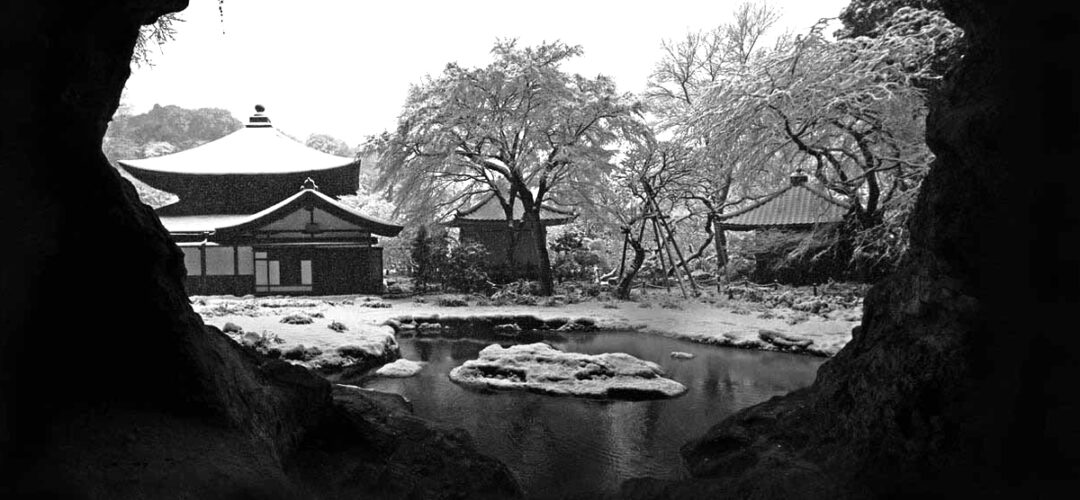
Kairaku-en
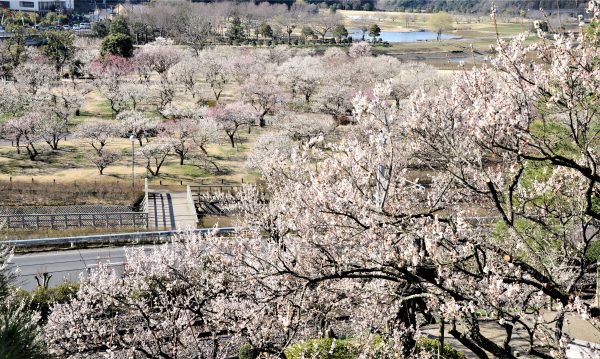
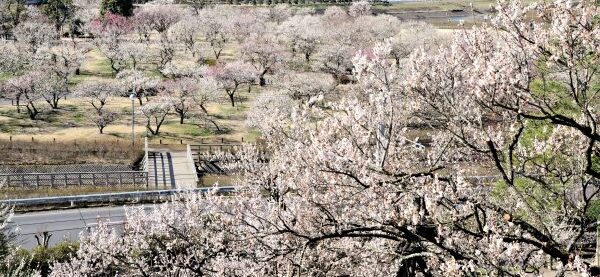
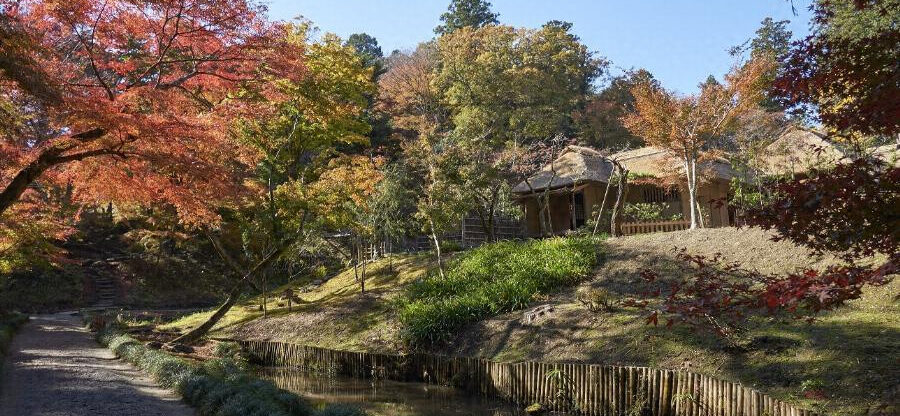
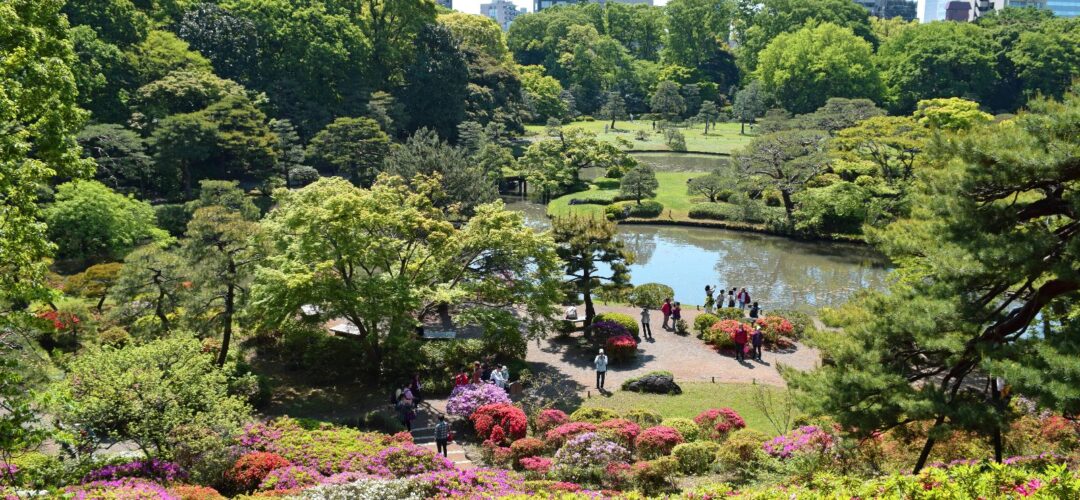
This is one of the Three Great Gardens of Japan along with Kenroku-en in Kanazawa and Koraku-en in Okayama. It was built by the 9th lord of Mito, Tokugawa Nariaki, in 1842. An area of the entire park including Kairaku-en and Senba Park is about 300 hectare and this is the 2nd largest urban park in the world after Central Park in New York City, USA.
cultural property : historic sites and places of scenic beauty as natural monuments, Tangible cultural property
type : places of scenic beauty, historic sites
1-3-3, Tokiwacho, Mito-shi, Ibaraki-ken 310-0033
Tel:029-244-5454
The 9th lord of Mito, Tokugawa Nariaki, built this park to enjoy it with the people in his domain. It is one of the Three Great Gardens of Japan. It is also known as a “plum garden” because there are about 3,000 plum trees of about 100 different varieties.
A vast grove of moso bamboos (Phyllostachys edulis) can be seen when entered from the front gate which is located in the north of the premise. Going down the slope with the large Japanese cedar (Cryptomeria japonica) grove to the right, visitors will find a spring called “Dogyoku-sen.” If they continue to go towards the overlook, they will reach the “Kobun-tei” house. They can see Lake Senba, which is in the southeast of the premise, and surrounding forests from the overlook where the “Kobun-tei” is. The garden is famous for its plum trees but visitors can also enjoy flowers and blossoms all year round as there are azaleas, bush clovers (Lespedeza), and winter cherry blossoms (Cerasus×parvifolia ‘Parvifolia’).
“Kairaku-en” was named after a segment from “The Mencius,” a Chinese classical literature. It reads “elites in ancient times enjoyed with their subjects, therefore their enjoyment was greater.”
Nishiyama-goten-ato historic sites (Seizan-so)
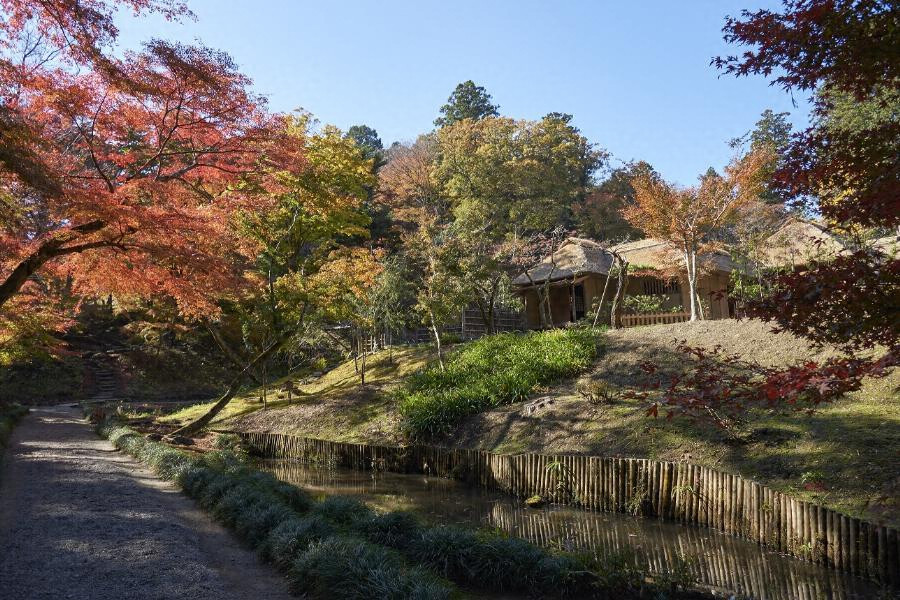
Seizan-so was created inside a residence of the retired 2nd lord of Mito, Tokugawa Mitsukuni, and it is located at the deepest part of the valley of the Genji River in the Kuji River system. It is known that many medicinal plants such as Chinese quince, plum and Veitch’s bamboo were planted according to “Nishiyama-zu” which is a drawing of the entire premise in “Togen-iji” compiled after the death of Mitsukuni.
cultural property : historic sites and places of scenic beauty as natural monuments
type : places of scenic beauty, historic sites
590 Arajukuchō, Hitachiōta-shi, Ibaraki-ken 313-0007
0294-72-1538
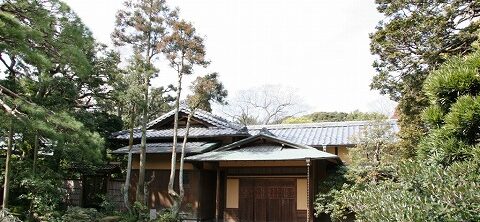
The 2nd lord of Mito, Tokugawa Mitsukuni, retired in 1690 and moved into this mansion. The wooden one-story house is in a Sukiya style with a thatched roof. Roof irises (Iris tectorum) are planted on the ridge of the roof. In old times, roof irises were often planted on the thatched roof because people believed that it would protect the house against the strong wind. According to “Togen-iji”, roof irises were also planted when Mitsukuni resided there.
The garden is located in the south of the mansion. There are the Byakuren-ike pond and the Guren-ike pond and they are connected with a stream. The Byakuren-ike pond is in the southwest part of the mansion and the water flows into the Guren-ike pond which is in the east. There is a remnant of a small waterfall called Ontaki and the water used to flow into the stream between the ponds. A tunnel-shape conduit made of a bored rock was created for Ontaki during the renovation in 1968 and a structure that draws water from Sakurayatsu to the top of the waterfall was confirmed, but currently no water is flowing. A Tsukiyama (artificial hill) called Kangetsuzan is created on the top part of Ontaki and it is said that Mitsukuni held banquets for the moon viewing there.
Garden of the Takanashi Family
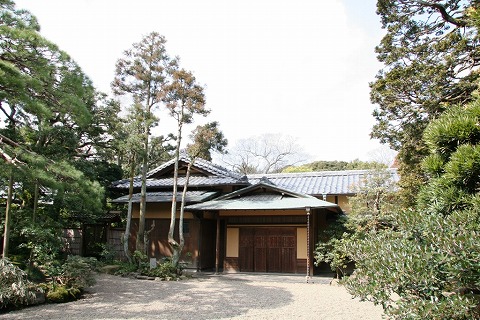
This is a residence and garden of the Takanashi Family who was a head of the village of Kamihanawa throughout the Edo Period. The mansion is considered part of the cultural property as it conveys what the house of a wealthy farmer, who created his fortune by manufacturing soy sauce in the Shimousa region, would have been in that time period. There were renovations in the beginning of the Showa Era and the garden has a unique design mixed with modern tastes. It was designated as the first National Place of Scenic Beauty in the Chiba Prefecture in 2001.
cultural property : historic sites and places of scenic beauty as natural monuments
type : places of scenic beauty
507 Kamihanawa, Noda-shi, Chiba-ken 278-0033
Tel:04-7122-2070
This garden is inside a mansion of a wealthy farmer from the Edo Period in Noda City, Chiba Prefecture. The Takanashi Family was a head of the village of Kamihanawa (current Noda City) throughout the Edo Period and involved in the soy sauce brewery from early on. They made a fortune with the manufacture of soy sauce in the second half of the Edo Period because they had a transportation advantage being close to the Edo River. This garden was created with the wealth coming from the soy sauce business.
During the Edo Period, the garden was originally centered with streams and a pond in front of a study, but the current design only uses stepping stones in a wide grass field. It is because the main building and tearoom of the garden underwent renovations from the Meiji Era to the beginning of the Showa Era and modern designs have been incorporated to the garden. However, a canal and stone walls are placed according to the original landscape based on the layout from the Edo Period, and modern designs are masterfully blended.
Koishikawa Koraku-en
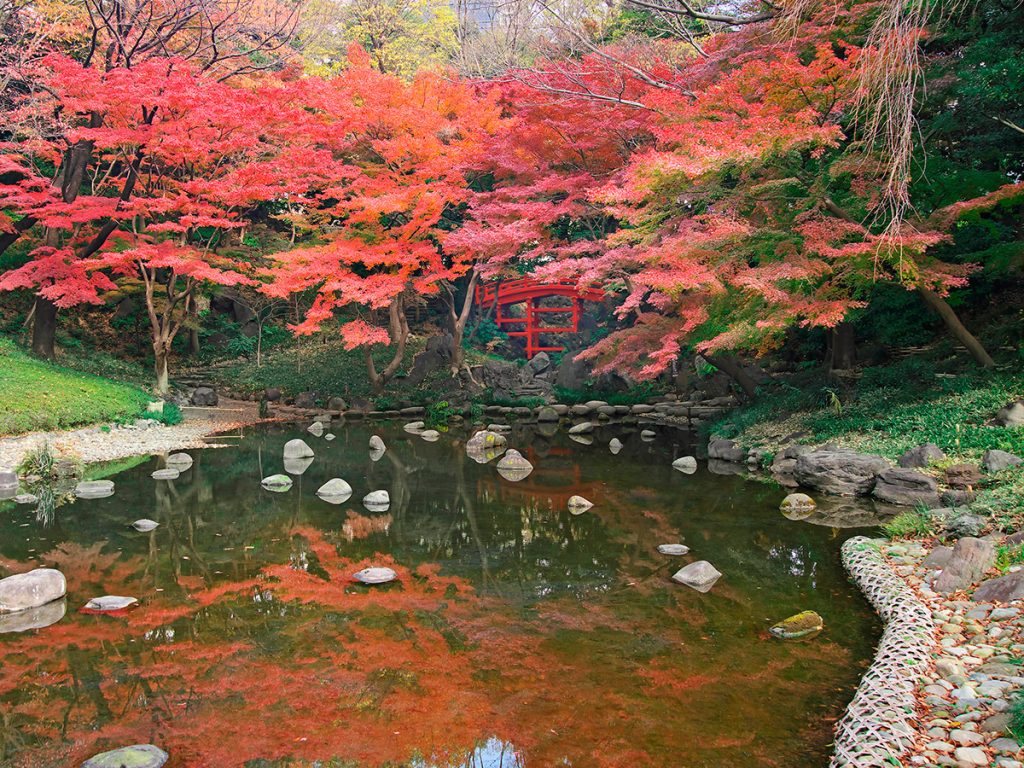
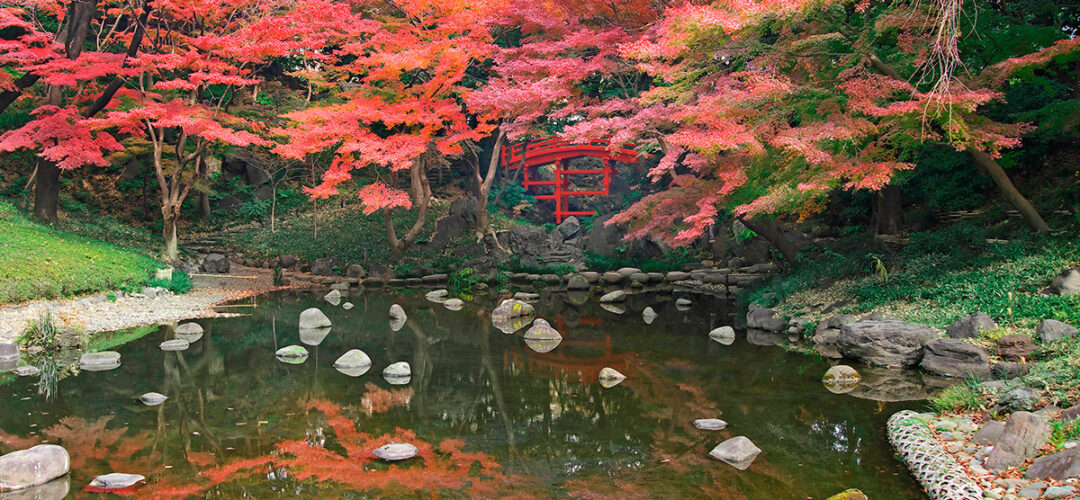
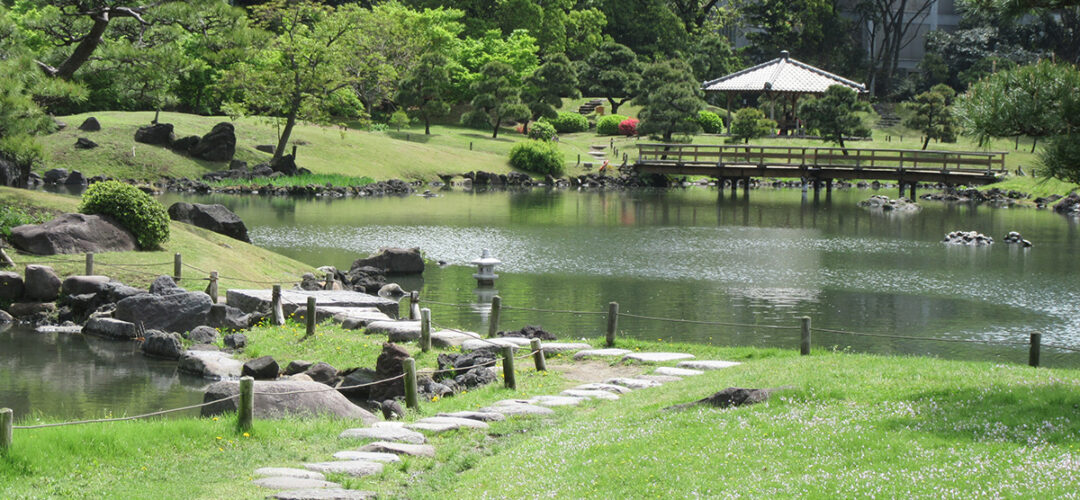
This garden was created in the second house (later it became the first house) of the Daimyo of Mito Tokugawa in Edo in 1629 by drawing water from the branch of the Kanda waterworks. This is a stroll garden with a path around a pond and considered to be a typical Daimyo garden in the early stages during the Edo Period. It was designated as a Special Historic Site and a Special Place of Scenic Beauty by the Cultural Properties Protection Law in 1952.
cultural property : historic sites and places of scenic beauty as natural monuments
type : places of special scenic beauty, special historical sites
1-chōme-6-6 Kōraku, Bunkyō-ku, Tōkyō-to 112-0004
Tel:03-3811-3015
Home page : https://www.tokyo-park.or.jp/park/koishikawakorakuen/index.html
The 1st lord of Mito, Tokugawa Yorifusa, started the construction in 1625 and later the 2nd lord Mitsukuni completed it. Mitsukuni hired Zhu Zhiyu, a Confucian scholar, who was a surviving retainer of the Ming Dynasty, in order to integrate the Chinese taste to the garden. The garden is located on the edge of the Koishikawa plateau and it is a stroll garden with a path around a Tsukiyama (artificial hill) and a pond. The pond uses the water from the Kanda waterworks. Mitsukuni named the garden from the line, “(if there is a concern) the leaders shall be concerned before the people are and (if there is something to enjoy) the leaders enjoy after the people do” in “Gakuyoro-ki”. This is considered to be an early style of the typical Daimyo garden from the Edo Period.
Some buildings only remain as ruins because of the great earthquake of 1855 and a fire on Kantoku-tei in 1880, but the pond and the forest remain beautiful as before.
Rikugi-en
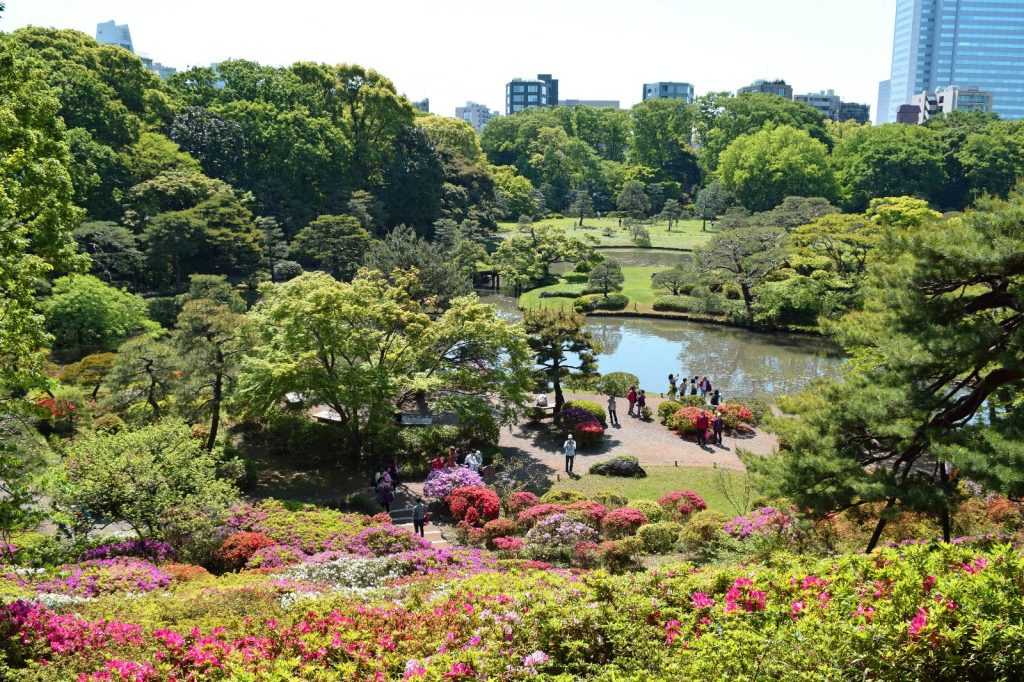
It is considered to be one of the Two Great Gardens of Edo along with Koishikawa Koraku-en. It was built by Yanagisawa Yoshiyasu who was a grand chamberlain of the 5th Shogun, Tokugawa Tsunayoshi, in 1695 and it took 7 years to complete. This is a stroll garden with a path around Tsukiyama (artificial hills) and ponds. It is famous for its “Eighty Eight Places” which recreates landscapes of beautiful places such as Wakanoura and other places that were so beautiful people wrote tanka poems about them. It was designated as a National Special Place of Scenic Beauty in 1953.
cultural property : historic sites and places of scenic beauty as natural monuments
type : places of special scenic beauty
6-16-3 Honkomagome, Bunkyō-ku, Tōkyō-to 113-0021
Tel:03-3941-2222
Home page : https://www.tokyo-park.or.jp/park/rikugien/index.html
Yanagisawa Yoshiyasu created this garden during the Genroku Era in the Edo Period. In 1702, he named the garden “Rikugi-en” and the building “Rikugi-kan” from “Rikugi” in the Classic of Poetry. It is a stroll garden with a path around Tsukiyama (artificial hills) and ponds with a style of the Katsura-rikyu garden created in the beginning of the Edo Period. It is famous for its “Eighty Eight Places” which recreates landscapes of beautiful places such as Kishu Wakanoura that were so beautiful people wrote tanka poems about them. It is one of the Two Great Gardens of Edo along with Koishikawa Koraku-en.
The garden became dilapidated after Yanagisawa Yoshiyasu retired from the government work. It was reconstructed during the Bunka Era at the end of the Edo Period, but part of the buildings were already lost by then.
The Iwasaki Family of Mitsubishi bought the premises in the Meiji Era and the scenery was restored after renovation. Although there were many areas modified during that time, but the main portion still remains. It is considered to be one of the major Daimyo gardens that exist today.
Kyu Hamarikyu Gardens
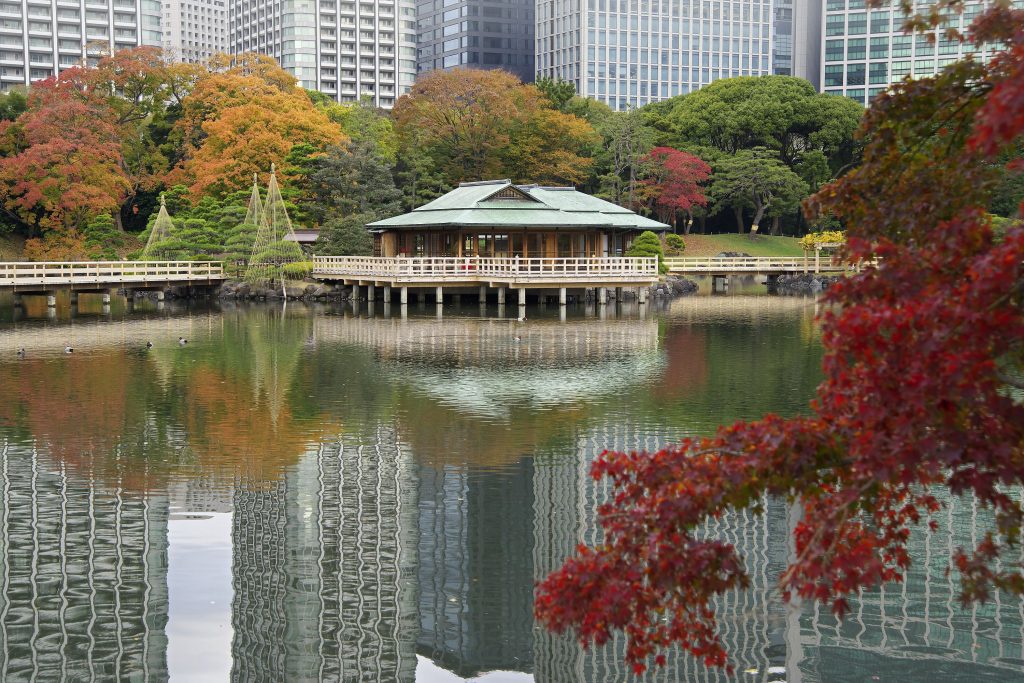
This is one of the outstanding Daimyo gardens from the Edo Period and it has a pond with an inflow of the tide and two areas designated for duck hunting. The atmosphere of the pond changes as the tide turns. This is the only existing garden in Japan with a pond using the ocean tide. It was designated as a Special Historic Site and a Special Place of Scenic Beauty by the Cultural Properties Protection Law in 1952.
cultural property : historic sites and places of scenic beauty as natural monuments
type : places of special scenic beauty, special historical sites
1-1 Hamarikyūteien, Chūō-ku, Tōkyō-to 104-0046
Tel:03-3541-0200
Home page : https://www.tokyo-park.or.jp/park/hama-rikyu/index.html
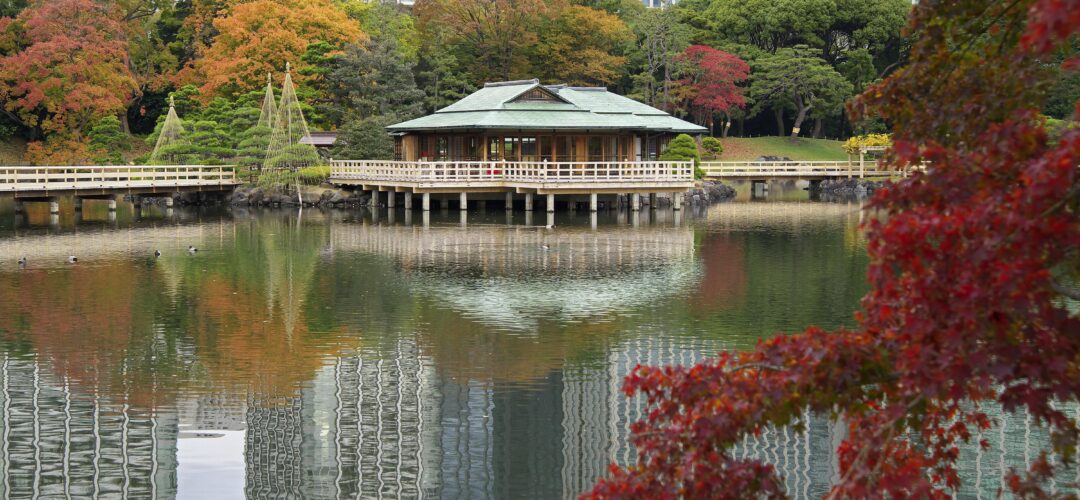
This is one of the outstanding Daimyo gardens from the Edo Period and it has a pond with an inflow of the tide and two areas designated for duck hunting. The atmosphere of the pond changes as the tide turns. This is the only garden with a pond using the ocean tide among all remaining Daimyo gardens in Tokyo. There was a vast field of reed until the beginning of the Edo Period (the Kan’ei Era) and it was used for falconry for the Shogunate. Matsudaira Tsunashige who was a prime minister of Kofu built a villa called Kofu Hama Yashiki in 1654. It later passed into the Shogunate’s possession when Ienobu was the 6th Shogun and it was renamed as Hama Goten.
The north side and the south side of the garden have different styles. The south side is centered around a large pond which draws seawater. There are paths and bridges around the pond so that visitors can enjoy strolling and admiring beautiful scenery from different viewpoints around the pond either by the pond or on the bridge over the water. There are duck hunting grounds in both the east and west sides of the garden. In those days, visitors could see Odaiba and the mountains of Boso in the southeast and Mt. Fuji in the west in the distance, but now high-rise buildings on the waterfront of the Tokyo Bay are the backdrop of the garden.
Kyu-Shiba-rikyu Gardens
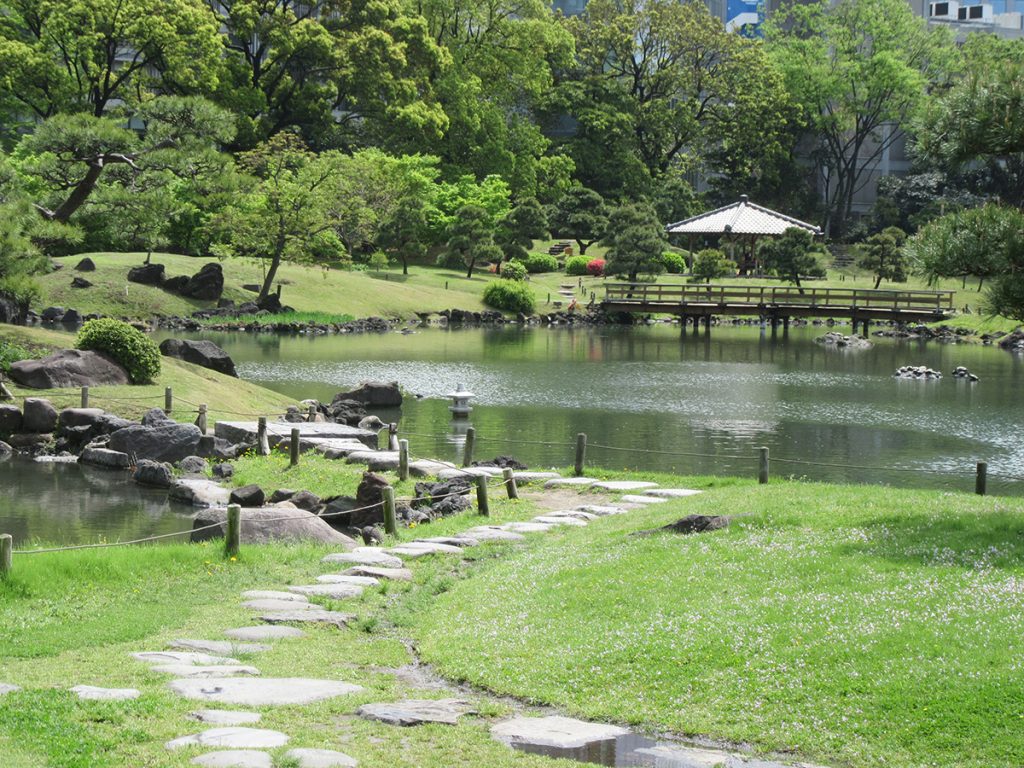
This is one of the Daimyo gardens from the early Edo Period along with Koishikawa Koraku-en. It was created when the first house in Edo for the Okubo Family, who was a lord of the Odawara Domain, was constructed during the Genroku Era. It was taken over by the Shimizu Family, then by the Kishu Tokugawa Family. The Department of the Imperial Household owned the garden in 1875 and it became Shiba Rikyu (the Imperial villa in Shiba) the following year. It was designated as a National Place of Scenic Beauty by the Cultural Properties Protection Law in 1979.
cultural property : historic sites and places of scenic beauty as natural monuments
type : places of scenic beauty
1-chōme-4-1 Kaigan, Minato-ku, Tōkyō-to 105-0022
Tel:03-3434-4029
Home page : https://www.tokyo-park.or.jp/park/kyu-shiba-rikyu/index.html
Okubo Tadatomo, a lord of Odawara and a member of the Shogun’s Council of Elders, received a reclaimed land by the ocean from the Tokugawa Shogunate in 1678. The garden was constructed along with the first house in Edo for the Odawara Domain on that land during the Genroku Era. Gardeners were summoned from Odawara to create a garden in the house and it was named “Rakuju-en.” The owners changed several times from the end of the Edo Period to the beginning of the Meiji Era. The Department of the Imperial Household owned the garden in 1875 and it became Shiba Rikyu (the Imperial villa in Shiba) the following year.
The main portion of the garden is a large pond with winding shorelines including capes and coves. There is an island in the middle of the pond and there are bridges on both the east and west sides of the island. Traditional landscaping methods are used in various ways such as stone arrangements simulating the Horai mountain on Nakajima (the central island), landscape with a Tsukiyama (artificial hill), and the ways the stones are arranged and the bridges are built.
This is one of the remarkable gardens that demonstrate the landscaping methods of Daimyo gardens from the Edo Period.
Mukojima-Hyakka-en
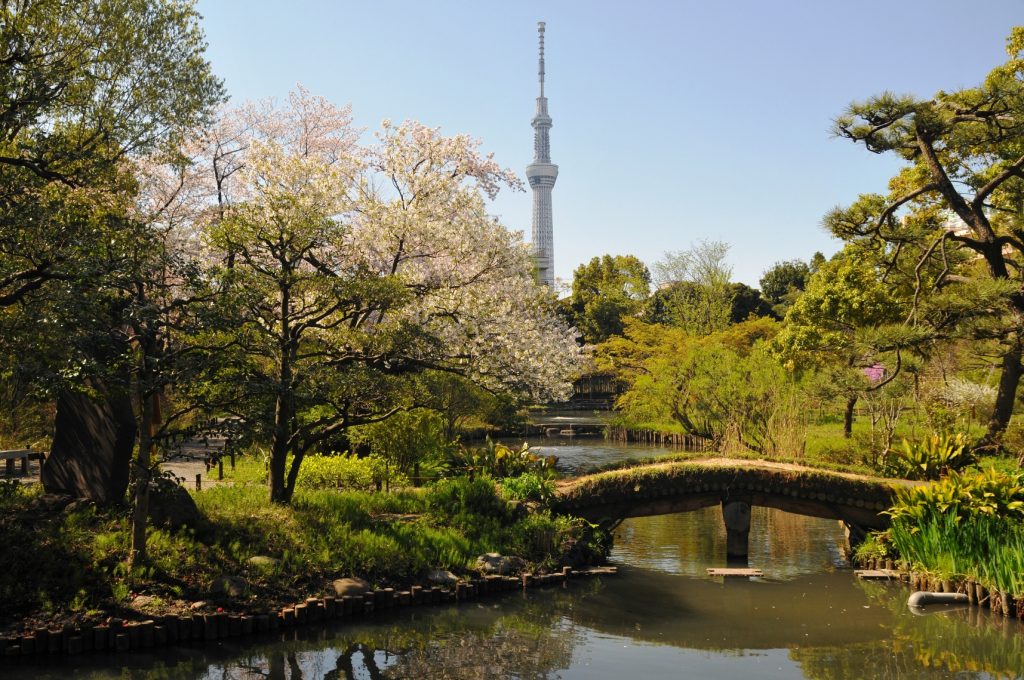
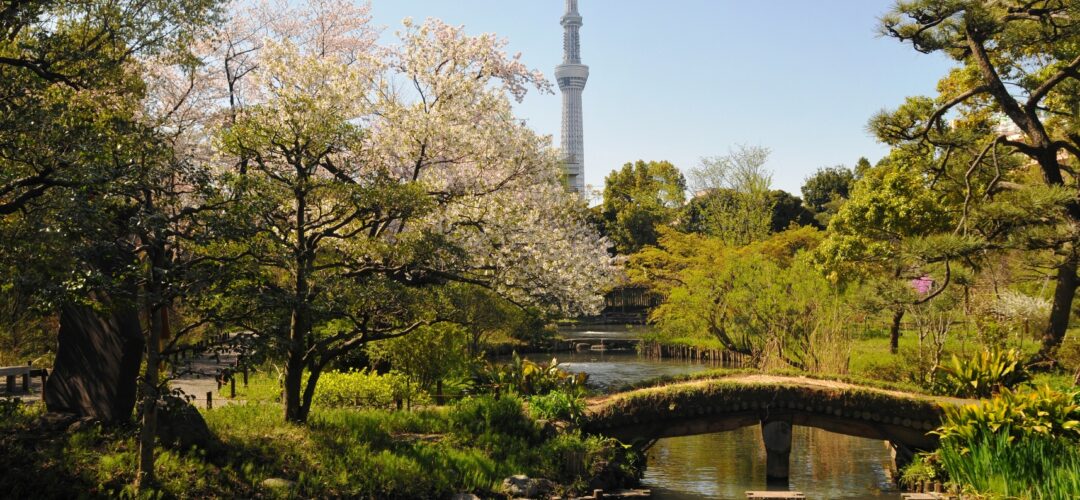
It was created in 1805 during the Bunka Bunsei Era in the Edo Period. The garden mainly constituted of plum trees when it was first opened, but later many herbaceous plants, that were noted in connection with poetries, were planted based on the ideas from the garden owners and intellectuals. This is a folksy garden different from the Daimyo gardens such as Koishikawa Koraku-en and Rikugi-en, yet it also has plenty of tasteful elements from intellectuals’ ideas.
cultural property : historic sites and places of scenic beauty as natural monuments
type : places of scenic beauty, historic sites
3-18-3 Higashimukōjima, Sumida-ku, Tōkyō-to 131-0032
Tel:03-3611-8705
Home page : https://www.tokyo-park.or.jp/park/mukojima-hyakkaen/index.html
Sawara Kiku, who was an antique dealer, created this garden in the house he purchased from a direct retainer of the Shogun in Muko-jima in the Bunka Bunsei Era, when the merchant class culture flourished. It is a privately owned flower garden which was created by common people when they became richer financially and culturally around the end of the Edo Period. It was called the “New plum mansion” because more than 300 plum trees were planted when it was first open. It was also called “Hyakka-en (a garden with a hundred flowers)” because there were always flowers and blossoms all year around. Many herbaceous plants, that were noted in connection with the Manyo-shu and poetries, were planted based on intellectuals’ ideas. The layout that includes the building, pond, paths, and more than 30 stone monuments is remarkable and it is one of a few remnants of intellectuals’ gardens from the Edo Period. The building from the Edo Period burnt down in 1945, but the landscape still has the elegance of the time and it has a different type of beauty from other remaining Daimyo gardens.
Kyu-Furukawa Gardens
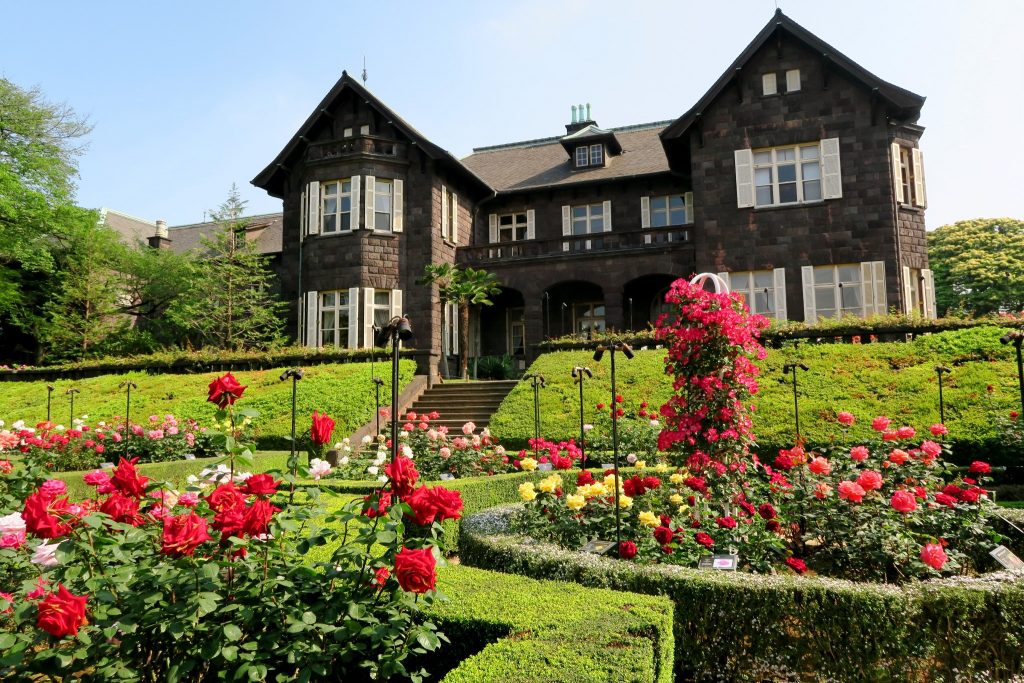
The garden uses the southeast plateau of Mt. Asuka and a slope that is part of the southern plateau. The construction started in 1917 (the Taisho Era) and it took two years to complete the stroll garden with a path on the slope at the bottom of the plateau and the lowland. It is considered to be a typical garden in modern Tokyo as it maximizes the natural geography of Tokyo such as plateau, slope and lowland.
cultural property : historic sites and places of scenic beauty as natural monuments
type : places of scenic beauty
1-27-39 Nishigahara, Kita-ku, Tōkyō-to 114-0024
Tel:03-3910-0394
Home page : https://www.tokyo-park.or.jp/park/kyu-furukawa/index.html
This is a garden created by Furukawa Toranosuke in the Taisho Era. It is located in the southeast of Mt. Asuka which is in the eastern edge of the Musashino Plateau and it skillfully uses the plateau, the slope in the south and the lowland in the garden. There is a Western-style formal garden with a European-style main building on the plateau in the north of the premises. A stroll garden is landscaped on the slope of the plateau and the lowland in the south. There are a tearoom and its tea garden in the east of the premises, thus, there are 3 elements in this garden, namely a Western garden, Japanese garden and tea garden.
The Western garden and the main building were designed by Josiah Conder and constructed in 1917. Ogawa Jihei VII (also known as Ueji) of Kyoto designed the Japanese garden. It was designed to maximize characteristic geographies of Tokyo and exhibits an amazing harmony of Japanese and Western styles by incorporating traditional methods and modern techniques. This is a valuable garden which retains original features created in the modern Tokyo.
Tonogayato Garden
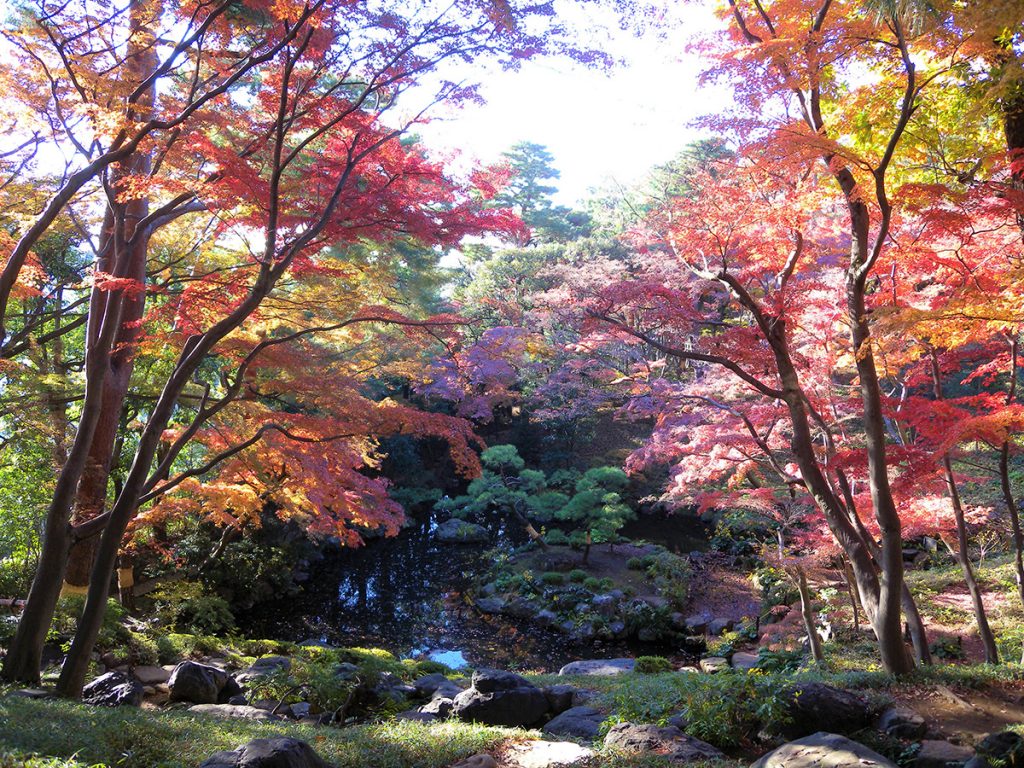
It is a stroll garden with grove and pond, and it optimizes abundant natural surroundings such as the slope in the south of the Kokubunji cliff line, a spring on the edge of the cliff line and a growth of miscellaneous trees on the slope. The “Jiro Benten” pond inside the garden is also selected as one of the Famous 57 Springs in Tokyo. It was designated as a National Place of Scenic Beauty in 2011.
cultural property : historic sites and places of scenic beauty as natural monuments
type : places of scenic beauty
2-16 Minamichō, Kokubunji-shi, Tōkyō-to 185-0021
Tel:042-324-7991
Home page : https://www.tokyo-park.or.jp/park/tonogayato/index.html
There is a terrace cliff on the southern edge of the Musashino Plateau, which runs from east to west, called “Kokubunji Gaisen.” Small valleys carve the terrace here and there and spring water seeps out from gravel around the bottom of the cliff line, which is called “Hake”. The Tonogayato garden was built in a modern villa. It uses the landform of the cliff line, the springs, and tasteful growth of miscellaneous trees such as Japanese red pines (Pinus densiflora) and sawtooth oaks (Quercus acutissima), which are native to Musashino. The premises are on the east side of the plateau which extends towards the south. It covers the area from the flat ground on top of the plateau to the area with springs in the lowland, and there is a sloping ground along the cliff in the middle with an elevation difference of more than 10 meters.
There are four areas in this garden: a Western garden with a large open grass field on top of the plateau located in the southeast of the main building and a carriage drive that connects the gate to a roundabout in front of the entrance which is in the west of the main building; forests of Japanese red pines, Japanese maples and bamboos; a sloping ground along the cliff covered with Veitch’s bamboos (Sasa veitchii); and a Japanese garden centered around the Jiro Benten pond which uses the water from the spring at the bottom of the cliff. They are all connected with paths, stone steps and Nobedan pavements, etc.
Former ASAKURA Fumio Garden
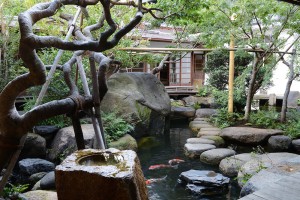
This was used as a residence and studio of ASAKURA Fumio who was a master of Japanese modern sculptures. There is a rooftop garden on the art studio building which was used for his creative work and teaching younger artists. This is a valuable example of green rooftop gardens on ferroconcrete buildings which started around the beginning of the Showa Era. The entire premises, including the buildings, received recognition as a National_designated Place of Scenic Beauty.
cultural property : historic sites and places of scenic beauty as natural monuments
type : places of scenic beauty
7-18-10 Yanaka, Taitō-ku, Tōkyō-to 110-0001
Tel:03-3821-4549
Home page : www.taitocity.net/zaidan/asakura/
ASAKURA Fumio was a master of Japanese modern sculptures and this garden is in his old residence and studio in the residential area of Yanaka, Tokyo. He lived there and used the studio for his own creative work and teaching younger artists until his death in 1964.
The current art studio and Sukiya-style residential building were constructed when the house was renovated in 1935. The courtyard is surrounded by buildings on all four sides. It is quite small (10 m long from north to south and 14 m long from east to west) and a pond (water surface) occupies most of it. Some stones are arranged in the pond and visitors can enjoy deutzia in spring and Japanese maples in fall. Various ornamental stones and plants create a profound waterscape. The rooftop garden on the art studio building is also a valuable example of green rooftop gardens on ferroconcrete buildings which started around the beginning of the Showa Era.
ASAKURA opened the ASAKURA School of Sculpture using his house and studio. The rooftop was used daily by Asakura’s students to grow vegetables and learn about gardening.
Zuisen-ji Garden
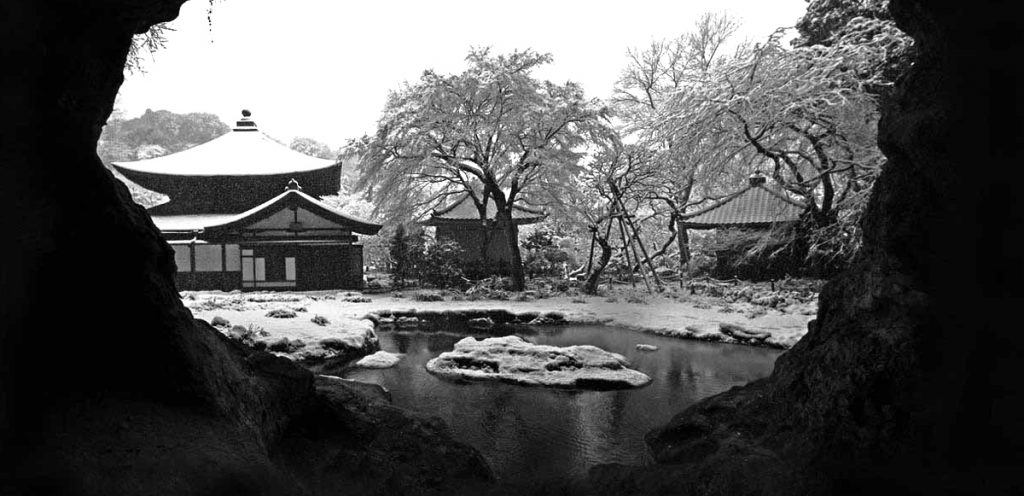
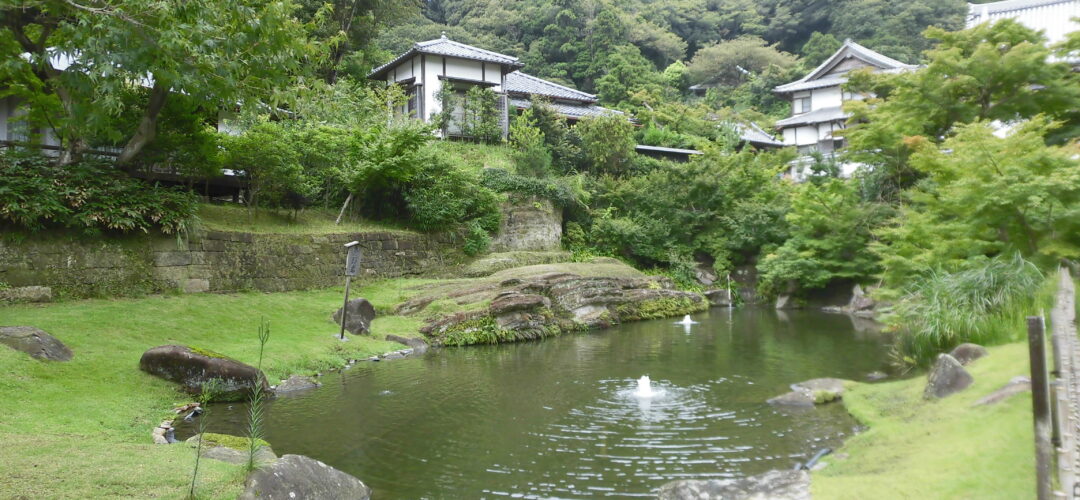
This stone garden was created when Muso Soseki started Zuisen-ji at the end of the Kamakura Period. The entire garden including the pond was buried and dilapidated, but it was excavated and recovered from 1969 to 1970. This garden has an old foundation of Muso Soseki’s early landscaping work and it is considered to be a starting point of gardens with a study. It is the only garden from the Kamakura Period in Kamakura.
cultural property : historic sites and places of scenic beauty as natural monuments
type : places of scenic beauty
710 Nikaidō, Kamakura-shi, Kanagawa-ken 248-0002
Tel:0467-22-1191
Muso Soseki created this garden when he started Zuisen-ji at the end of the Kamakura Period. A pond that can be seen from the precinct is made with bored tuff rocks and it is very unique. If visitors go up the steep slope from this pond garden, they will reach a gazebo on the top. This gazebo is called Henkai Ichiran-tei. “Henkai” means the entire world and visitors can enjoy a sweeping view of the surroundings from the top of the hill.
The entire temple was buried and dilapidated during the Edo Period, but it was excavated and recovered from 1969 to 1970. This is an early garden work by Muso Soseki who is a well-known monk and gardener. It is a very important garden as this is the only one from the Kamakura Period in Kamakura and is considered to be a starting point of gardens with a study.
Kencho-ji Garden
According to the copper monument dated 1692, the current garden was either created or renovated in the beginning of the Tokugawa Shogunate. There is a garden with a pond shaped like the character for “heart (Kokoro)” in the middle, which is located behind the abbot’s chamber, and the Daikakuike garden in Kaishun-in. The Daikakuike pond was created when the temple was built as a regulating reservoir in order to protect the precincts of the temple from flooding.
cultural property : historic sites and places of scenic beauty as natural monuments
type : places of scenic beauty, historic sites
8 Yamanouchi, Kamakura-shi, Kanagawa-ken 247-0062
Tel:0467-22-0981
This is the head temple of the Kencho-ji school of the Rinzai sect and founded by Hojo Tokiyori in 1253, the fifth year of the Kencho Era. The precincts are symmetrically arranged and Chinese junipers (Juniperus chinensis) are planted in a row in the garden in front of the Buddhist sanctum. The style of gardens with a study can be seen in drawings from 1678. According to the copper monument dated 1692 in the garden, it is presumed that it was either created or renovated in the beginning of the Edo Period. There is a hill running from the east to the north of the garden and a curved pond is at the bottom of the hill. There is a bridge to walk across to Nakajima (the central island) in the pond. Some stones are arranged on the central island here and there along with a lantern. There are dwarf conifer trees such as pines and yew plum pines (Podocarpus macrophyllus) as well as azaleas. A large Japanese black pine (Pinus thunbergii) is towering in the middle of the garden and lush Japanese zelkova (Zelkova serrata) and maple trees can be seen on top of the hill. The garden is simple yet elegant.
Engaku-ji Garden
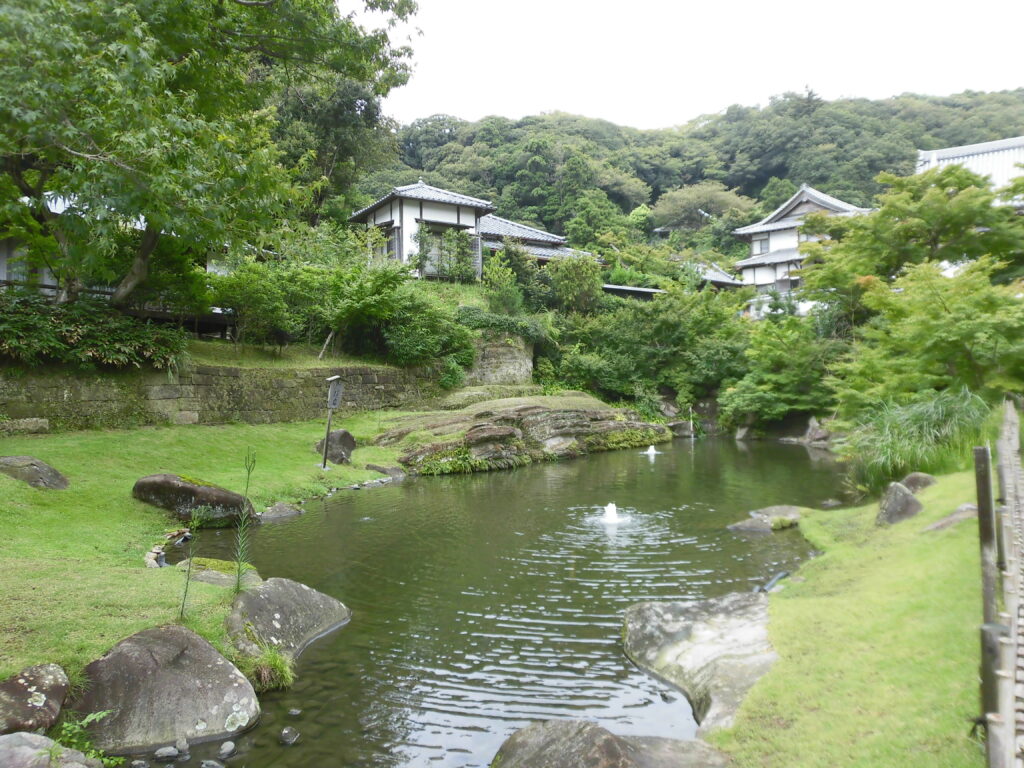
The pond called Byakurochi is on a path leading to the main gate and the natural landscape around the pond changes every season. There is also an old Chinese juniper (Juniperus chinensis) in front of the Buddhist sanctum. There is a garden near the abbot’s chamber and it is centered around a pond called Myokochi, which is shaped like the character for “heart (Kokoro).” All these places were designated as a National Place of Scenic Beauty in 1932.
cultural property : historic sites and places of scenic beauty as natural monuments
type : places of scenic beauty, historic sites
409 Yamanouchi, Kamakura-shi, Kanagawa-ken 247-0062
Tel:0467-22-0478
There is a ceremonial release pond called Myokochi at the bottom of the plateau for the reliquary hall behind the Buddhist sanctum. It is said that the garden with Hojo with a pond in the middle was created by Muso Soseki of the Rinzai sect in 1335.
The pond is made of a bored bedrock. A portion of the rock on the north edge of the pond, towards the mountain, is eroded as though waves carved it and it is called “Kotogan (Tiger head rock).”
The original landscape of the garden was lost when the Yokosuka rail line was built and a prefectural highway opened during the Meiji Era, so the plaza is no longer in a square shape but a symmetrical square pond still remains on the other side of the railway in front of the main gate. This pond is called “Byakurochi” and the stone bridge over the pond is called “Komabashi.” The stone bridge is connected to the straight path leading to the main gate. The path is surrounded by a thick forest of aged Japanese cedars (Cryptomeria japonica) which preserve the appearance of the old days.
Sankei-en
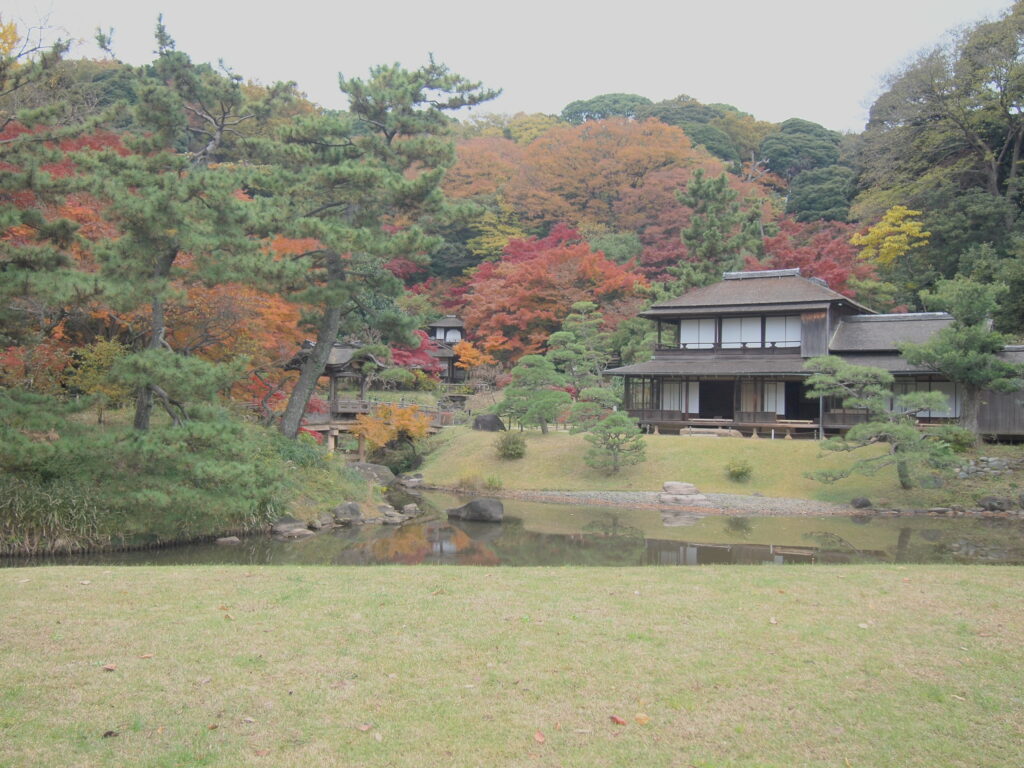
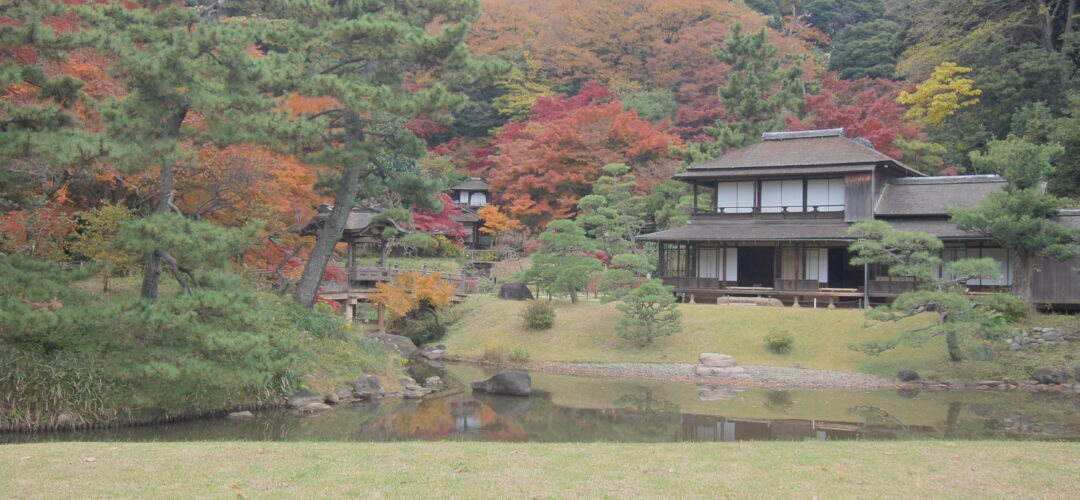
This garden was made in the valley called San’notani which faces the Tokyo Bay by Hara Sankei, Yokohama’s number-one businessman in modern times. There is an outer garden which opened to the public in 1906 and an inner garden which was used as a private garden. It is famous for an amazing harmony of historical buildings collected from Kyoto and Kamakura and the natural view from season to season.
cultural property : historic sites and places of scenic beauty as natural monuments
type : places of scenic beauty
58-1 Honmokusannotani, Naka-ku, Yokohama-shi, Kanagawa-ken 231-0824
Tel:045-621-0634
Home page : www.sankeien.or.jp
The garden was made in the area with a varied topography with hills and valleys in the southeast of Yokohama City by Hara Sankei (born Tomitaro), Yokohama’s number-one businessman in modern times. Sankei inherited the family estate in 1899 and started the construction with his own ideas shortly thereafter. In 1902, Kakusho-kaku was newly added, and Kyu Tenzui-ji Juto Oido (a protective structure for the old Tenzui-ji grave tablet) and Kangetsu-an, a tearoom, were relocated. Their gardener was sent to various gardens in the Kansai region to observe and study in 1905. The outer garden, which we can see today, was completed in the following year and opened to the public in May 1906. It was a landmark effort to open a private garden publicly at that time. The construction continued even after the opening and was finally completed in 1922 with a relocation of Choshu-kaku. It is very rare for a large garden in a big city to have the urban characteristics of the modernized city in the surrounding area mostly invisible from the garden.
Some of the most scenic spots in this garden are: a large pond, Rinshun-kaku and Choshu-kaku. On the opposite side of the large pond, there is a three-storied pagoda of former Tomyo-ji on top of the hill. There is a pond in front of Rinshun-kaku and the reflection of the building with a green hill in its background is beautiful. An exquisite contrast of Choshu-kaku and a stream bordered by lush foliage is also remarkable.