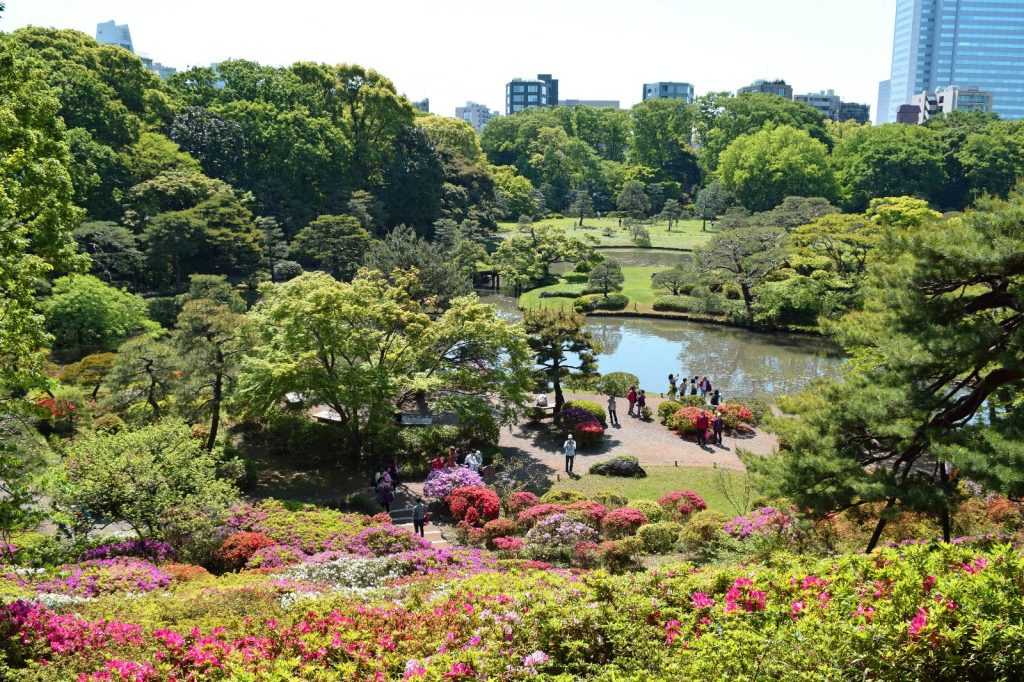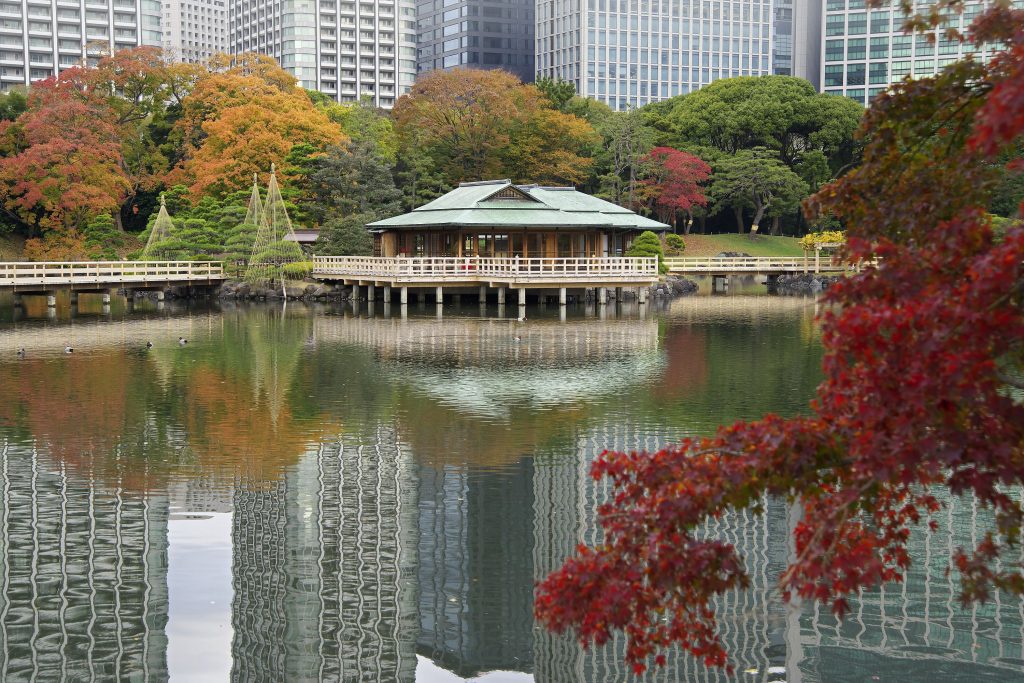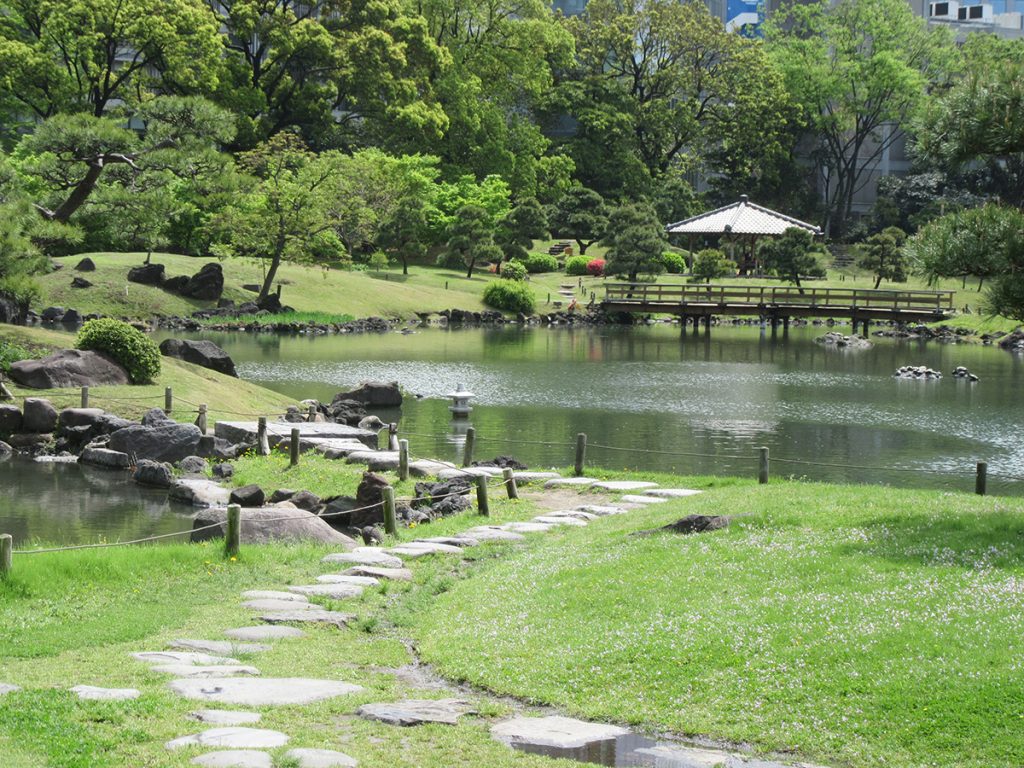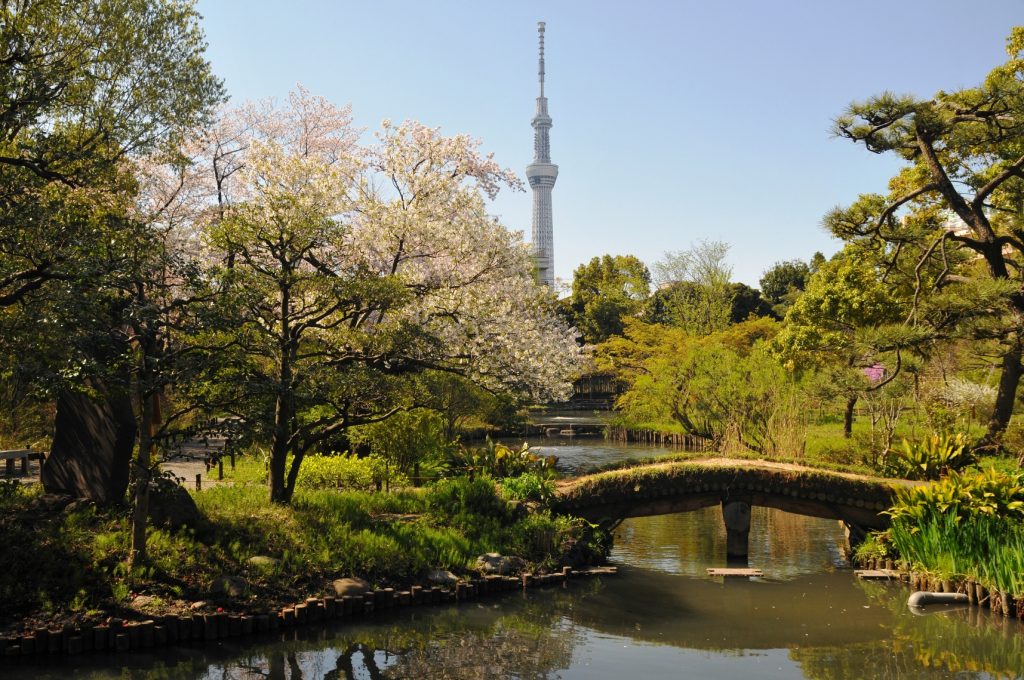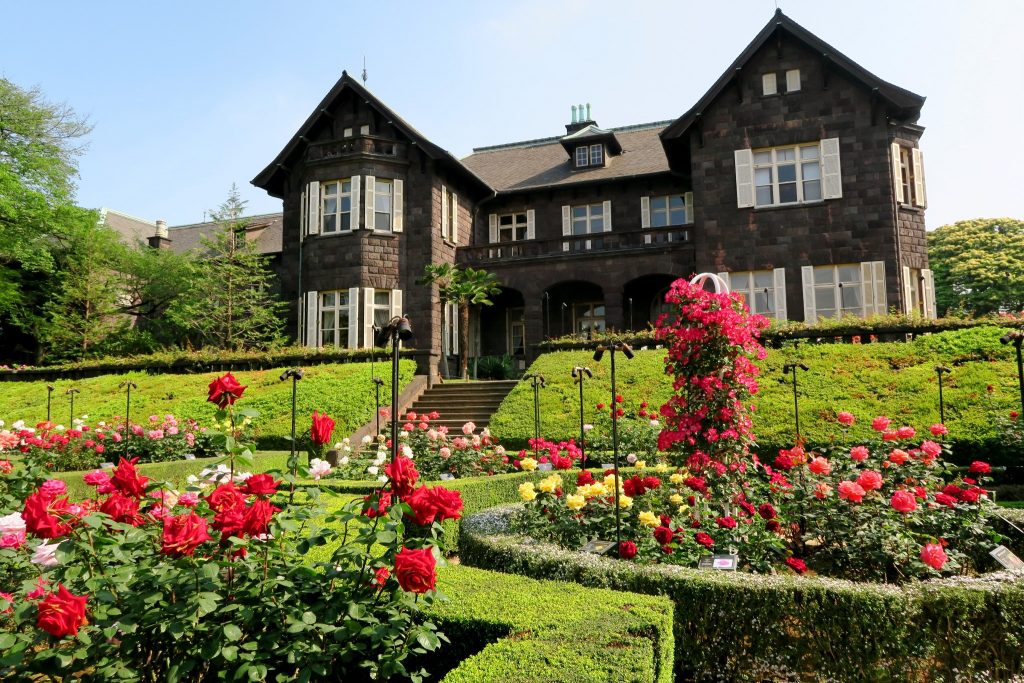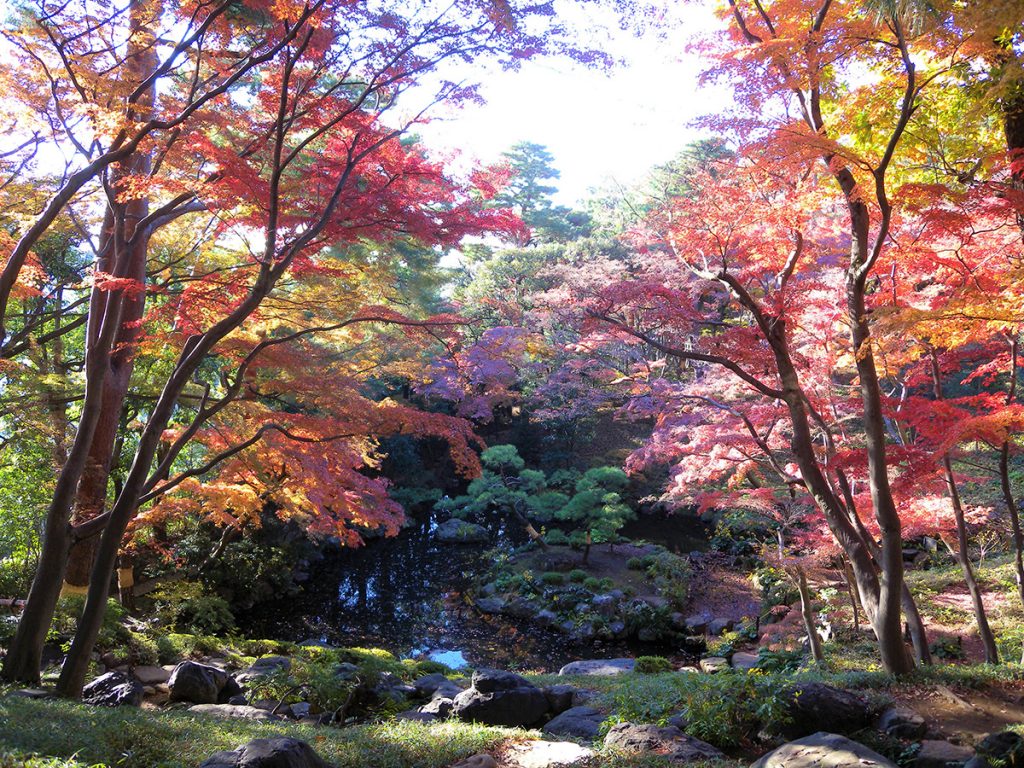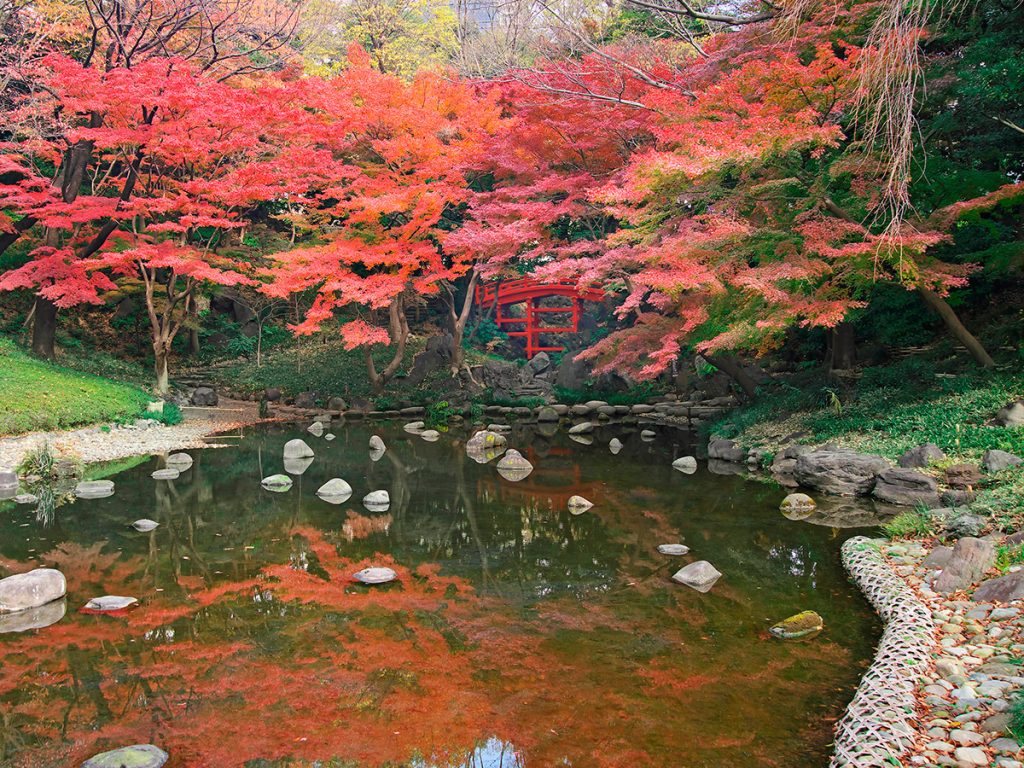
This garden was created in the second house (later it became the first house) of the Daimyo of Mito Tokugawa in Edo in 1629 by drawing water from the branch of the Kanda waterworks. This is a stroll garden with a path around a pond and considered to be a typical Daimyo garden in the early stages during the Edo Period. It was designated as a Special Historic Site and a Special Place of Scenic Beauty by the Cultural Properties Protection Law in 1952.
cultural property : historic sites and places of scenic beauty as natural monuments
type : places of special scenic beauty, special historical sites
1-chōme-6-6 Kōraku, Bunkyō-ku, Tōkyō-to 112-0004
Tel:03-3811-3015
Home page : https://www.tokyo-park.or.jp/park/koishikawakorakuen/index.html
The 1st lord of Mito, Tokugawa Yorifusa, started the construction in 1625 and later the 2nd lord Mitsukuni completed it. Mitsukuni hired Zhu Zhiyu, a Confucian scholar, who was a surviving retainer of the Ming Dynasty, in order to integrate the Chinese taste to the garden. The garden is located on the edge of the Koishikawa plateau and it is a stroll garden with a path around a Tsukiyama (artificial hill) and a pond. The pond uses the water from the Kanda waterworks. Mitsukuni named the garden from the line, “(if there is a concern) the leaders shall be concerned before the people are and (if there is something to enjoy) the leaders enjoy after the people do” in “Gakuyoro-ki”. This is considered to be an early style of the typical Daimyo garden from the Edo Period.
Some buildings only remain as ruins because of the great earthquake of 1855 and a fire on Kantoku-tei in 1880, but the pond and the forest remain beautiful as before.